
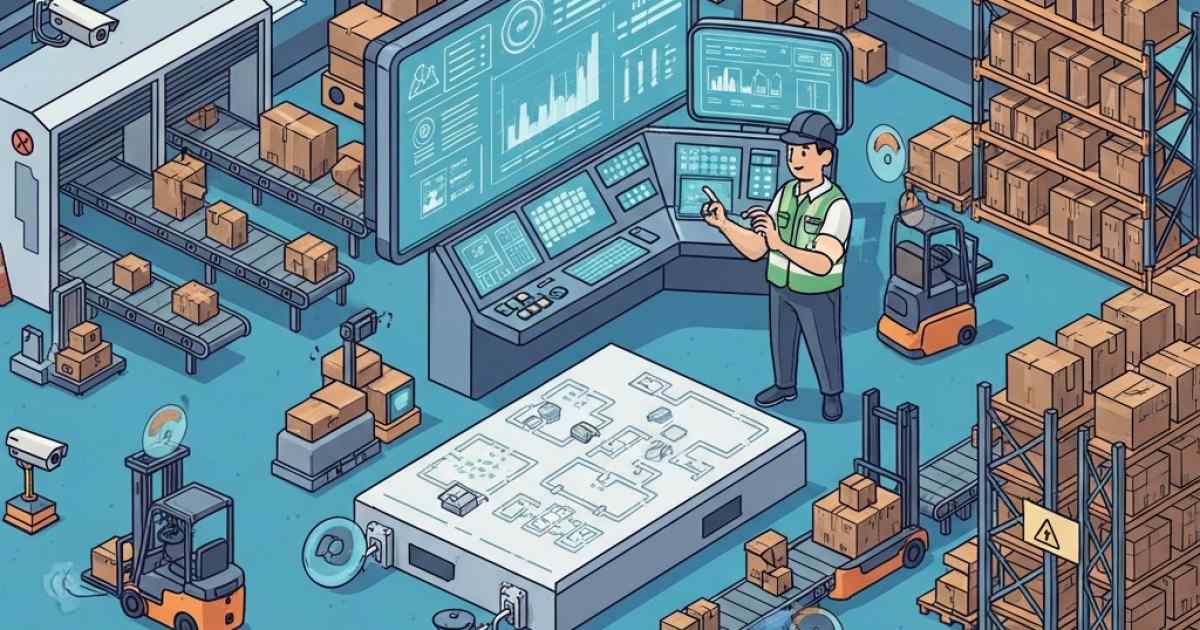
Amidst the fast-paced dynamics of warehouse operations, even human factors like fatigue during the fasting month can trigger errors in recording or stock management. This phenomenon underscores the urgency of implementingwarehouse management systemthat is not only efficient but also resilient. With the complexity of modern supply chains, the adoption of warehouse automation integrated with comprehensive security and management systems becomes crucial to maintain accuracy, efficiency, and most importantly, operational resilience.
Untangling Complexity: Operational Challenges in Modern Warehouses
Warehouses are not merely storage places, but vital nodes in the supply chain that require high precision. Challenges often arise from various sides, ranging from human errors in inventory recording, the risk of loss or damage to goods, to physical and cyber security threats. Lack of real-time visibility into stock, goods movement, and employee performance can lead to significant losses. Based on global logistics industry reports, manual errors and minimal system integration are still the main causes of inefficiency, which impacts increased operational costs and decreased customer satisfaction.
Security and Automation-Based Warehouse Management System Implementation Strategy
To overcome these challenges, an implementation strategy is neededWarehouse automation with security systemholistic approach. This approach not only focuses on speed, but also on data accuracy and asset protection. Awarehouse management systemA modern Warehouse Management System (WMS) must be able to integrate various operational aspects, from goods receiving, storage, picking, to shipping, with integrated security features.
Best practices involve the use of sensory technology for automatic recording, item identification systems (such as RFID or barcodes), and software that monitors the movement of goods automatically.real timeMore than just ordinary record-keeping, an advanced WMS is also connected to an integrated access control system, ensuring that only authorized personnel can access certain areas. This integration provides a double layer of security, minimizing the risk of theft or sabotage, while increasing accountability. For example, somedigital building management platformModern systems, such as those offered by SIMPLO.id, have demonstrated the capability to provide an integrated system that not only manages stock but also controls access and monitors operational indicators automatically, helping businesses become more organized and efficient.
The Future of Warehousing: Resilience and Sustainable Innovation
Looking ahead, the implementation of WMS with integrated automation and security will continue to evolve with the adoption of technologies such as Artificial Intelligence (AI) and the Internet of Things (IoT). AI can be used for predictive analytics, optimizing warehouse layouts, planning picking routes, and even proactively detecting security anomalies. IoT will expand the reach of sensors and connected devices, generating a richer data stream for better decision-making.
Future warehouses will become more adaptive, able to respond quickly to changes in market demand and supply chain disruptions. Investment inwarehouse management systemIntelligent and secure is not only about today's efficiency, but also about building sustainable operational resilience, ensuring businesses remain competitive and resilient amidst various challenges.
Adopting an integrated system is a strategic step to ensure the warehouse operates with maximum accuracy, optimal security, and uncompromising efficiency. This is the foundation for stable and sustainable business growth in the digital era.
Smart Updates in a World That's Too Fast with Nuupdate.com



Diskusi & Komentar
Bagikan insight kamu, ajukan pertanyaan, dan bantu pembaca lain memahami topik ini dari sudut pandang yang berbeda.